


.svg)
Researchers from The Hebrew University of Jerusalem and the Hadassah Medical Organization are partners in a major international clinical trial that aims to transform the prevention of recurrent urinary tract infections caused by antibiotic-resistant bacteria. Supported by a $17 million (€15 million) European Union grant, the project will investigate whether bacteriophages – viruses that naturally infect and destroy bacteria – can serve as a safe and effective alternative to conventional antibiotic therapies.
Bringing together 20 research and clinical partners from 13 countries, the consortium represents one of the largest international efforts to clinically evaluate phage therapy for recurrent urinary tract infections.
Beyond the immediate goal of improving treatment for chronic urinary tract infections, researchers hope the project will strengthen the scientific foundation for using bacteriophages against a broader range of antibiotic-resistant bacterial infections.
The study, known as P-PEAKS UTI (Personalized-Phage against E. coli with IV Antibiotic to Knockout Stable Biofilms in Urinary Tract Infections), brings together and is led by Gregory German, MD, a specialist in chronic infections at Canada’s St. Joseph's Health Centre.
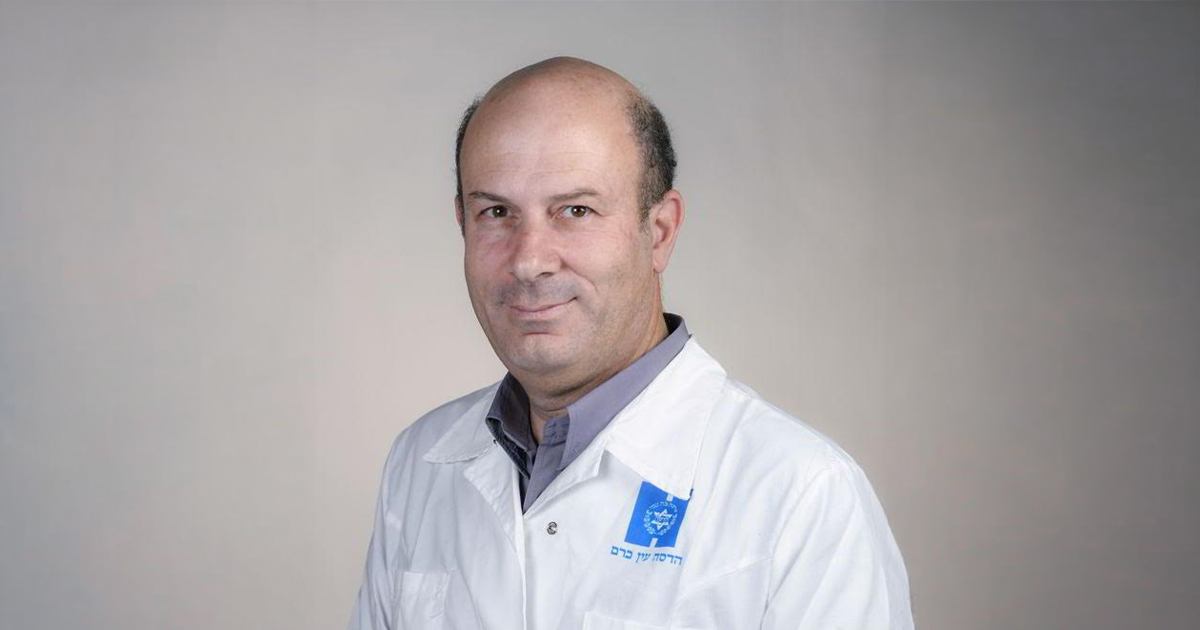
The Israeli research team is led by Ronen Hazan, MD, and Sahar Melamed, MD, of The Hebrew University of Jerusalem and Ran Nir-Paz, MD, of the Hadassah Medical Organization. Dr. Hazan and Dr. Nir-Paz are the initiators and co-leaders of the Israeli Phage Therapy Center.
Approximately 220 women suffering from chronic, recurrent Escherichia coli urinary tract infections will be enrolled at clinical sites in Israel, the United States, Canada, France, the UK, Italy, Spain and Estonia.
Recurring urinary tract infections affect millions of women worldwide and are becoming increasingly difficult to treat as antibiotic resistance continues to rise. Many patients experience repeated infections despite multiple rounds of antibiotics, underscoring the urgent need for new therapeutic strategies.
Rather than relying solely on antibiotics, the trial will evaluate personalized bacteriophage therapy. Bacteriophages, or phages, are naturally occurring viruses that selectively infect bacteria while leaving human cells unharmed. Because phages target specific bacterial strains, they may offer a more precise approach to treating persistent infections while helping reduce the spread of antimicrobial resistance. During the trial, participants will receive either phage therapy or a placebo alongside a single intravenous dose of antibiotics, allowing researchers to rigorously evaluate the treatment's effectiveness.
Researchers from the Hadassah Medical Organization and The Hebrew University of Jerusalem will contribute their combined expertise in phage therapy, microbiology, infectious diseases and translational clinical research as part of the multinational effort to generate the high-quality clinical evidence needed to bring phage therapy closer to routine medical practice.
"Non-resolving infections and Antimicrobial resistance are among the defining medical challenges of our time," said Dr. Nir-Paz. "International collaborations such as P-PEAKS allow us to combine expertise across disciplines and countries in order to evaluate innovative therapies that could significantly improve outcomes for patients who currently have few treatment options."
Beyond the immediate goal of improving treatment for chronic urinary tract infections, researchers hope the project will strengthen the scientific foundation for using bacteriophages against a broader range of antibiotic-resistant bacterial infections.
If successful, the trial could help establish phage therapy as a valuable addition to the clinical toolbox against antimicrobial resistance, offering new hope for patients worldwide while advancing more personalised approaches to infectious disease treatment.
# # #
The Hebrew University of Jerusalem
For over a century, The Hebrew University of Jerusalem has been a beacon for visionary minds who challenge convention and shape the future. Founded by luminaries like Albert Einstein, who entrusted his intellectual legacy to the university, it is dedicated to advancing knowledge, cultivating leadership and promoting diversity. Home to over 23,000 students from 90 countries, the Hebrew University drives much of Israel’s civilian scientific research and the commercialization of technologies through Yissum, its technology transfer company. Hebrew University’s groundbreaking contributions have been recognized with major international awards, including ten Nobel Prizes, two Turing Awards and a Fields Medal. Ranked 88th globally by the Shanghai Ranking (2025), the Hebrew University marks a century of excellence in research, education and innovation. To learn more about the university’s academic programs, research and achievements, visit the official website at http://new.huji.ac.il/en.
Hadassah Medical Organization
The Hadassah Medical Organization is one of Israel's leading academic medical centers, combining world-class patient care with pioneering biomedical research and medical education. Owned by Hadassah, The Women’s Zionist Organization of America, and affiliated with The Hebrew University-Hadassah Medical School, the Hadassah Medical Organization serves as a major referral center for complex diseases while leading research and treatment advances in infectious diseases, precision medicine, transplantation, oncology and other specialties. Through its close integration of clinical care and research, the Hadassah Medical Organization helps translate scientific discoveries into improved treatments for patients in Israel and around the world. Visit us at hadassah.org/our-hospitals.
Hadassah, The Women’s Zionist Organization of America
Hadassah is the largest Jewish women’s organization in America. With nearly 300,000 members, donors and supporters, Hadassah brings women together to effect change on such critical issues as ensuring Israel’s security, combating antisemitism and promoting women’s health. Through the Hadassah Medical Organization, its Jerusalem-based hospital system, Hadassah helps support exemplary care for more than 1 million people each year and pioneering medical research. Hadassah’s hospitals serve without regard to race, religion or nationality and earned a Nobel Peace Prize nomination for "building bridges to peace" through medicine. Hadassah also supports two youth villages in Israel that set vulnerable teens and pre-teens on the path to a rewarding future. Visit us at hadassah.org.