
.svg)


Every year before Passover, teams led by a rabbi at the Hadassah Medical Organization move through Hadassah hospitals, methodically cleaning counters and ceilings to ensure that no chametz, or leavened grain, is left behind, just like so many of us do on a smaller scale to prepare our homes for the holiday. In this way, this year is no different from any other.
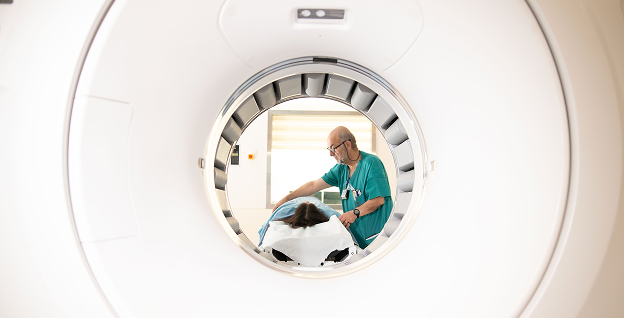
Yet as these teams scrubbed and scoured, Israel and the United States were at war with Iran. And as missiles pounded down relentlessly on Israel, our patients were being treated and cared for in fortified underground units on both Hadassah hospital campuses.
This Wednesday night, wherever we are, we will retell the story of the Exodus, a powerful reminder that resilience is our birthright. Whatever Haggadah we use, we will spend hours reflecting on the smallest details — and just how deeply they inform the bigger picture.
I have been thinking about a woman named Yolande Bloomstein Weiss, who made aliyah from Los Angeles three years ago and wrote in The Jewish Standard about her powerful Hadassah experience as the war with Iran began.
“My husband, Rabbi Abner Weiss, was admitted to Hadassah Hospital Ein Kerem with sepsis. Six days later, as war broke out and sirens began to wail, our private medical crisis had collided with a national one.”
“Patients, families and medical teams were moved into an empty subterranean space that, within hours, transformed into a fully functioning, fortified hospital. And something extraordinary happened. Strangers became caregivers. Jews and Arabs worked side by side. Beneath the surface and the sirens, a community formed.”
“Alongside gratitude, I carry pride,” she writes. “Pride in the quiet humanity that surfaced when circumstances stripped everything else away.”
In Yolande’s words, where the details matter so much, I too find gratitude and pride in this heartfelt, deeply personal story of the ways Hadassah is lifechanging. And I pray this Passover for the safety of our many family and friends in Israel.
As it says in Pirkei Avot, the ancient Jewish text: “Turn it, and turn it, for everything is in it.” And that is what we do at our seders. We ask the Four Questions. We dive in deep, reminded that each act of kindness, each person we bring to our seder table, each small detail helps us build a bigger picture.
At Hadassah, our picture is a vision of hope and healing, one shaped by our actions. An article in the latest issue of Hadassah Magazine features new Haggadot that lift up Jewish women, including one by Matan founder Rabbanit Malke Bina, who writes in her introduction: “Not only during the Exodus from Egypt, but in every generation, women have played a vital role in maintaining faith, nurturing hope and shaping the spiritual destiny of the Jewish people They are the ‘secret weapon’ propelling Jewish redemption forward throughout the ages.”
And so, like Miriam, like our own founder Henrietta Szold, we can help lead the way.


.jpg)