
.svg)


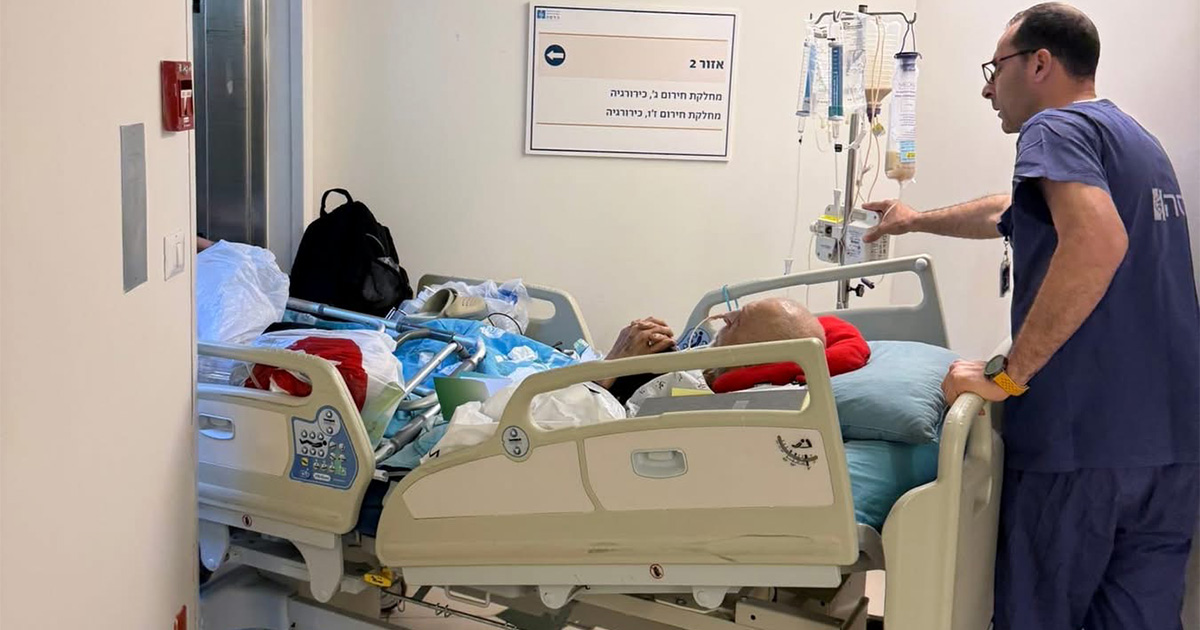
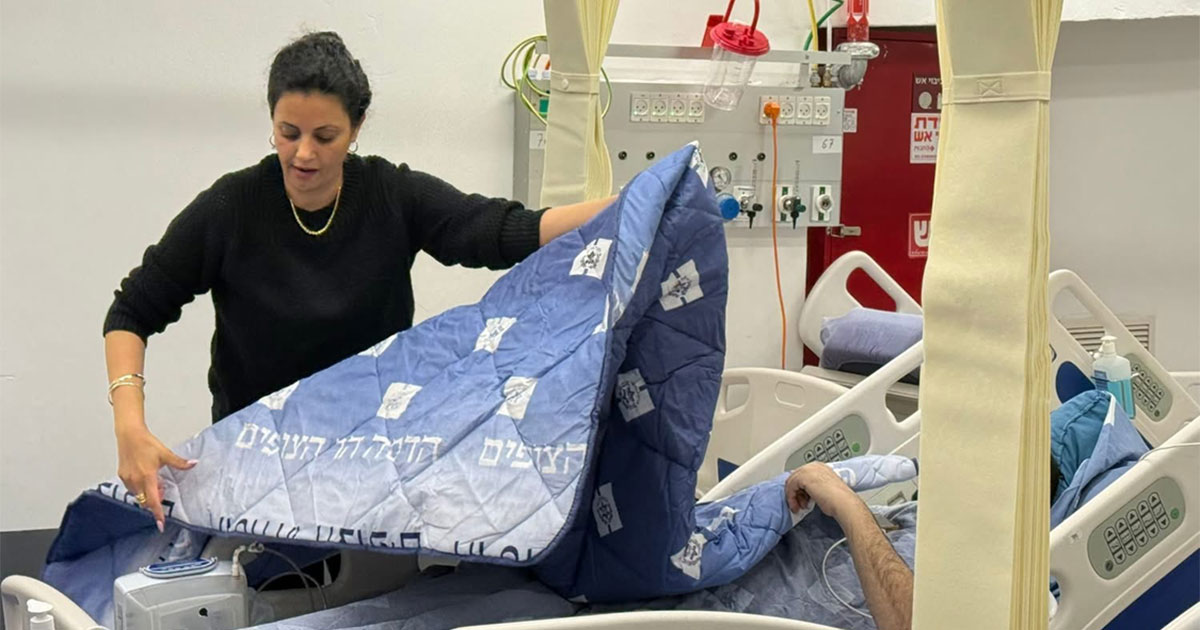
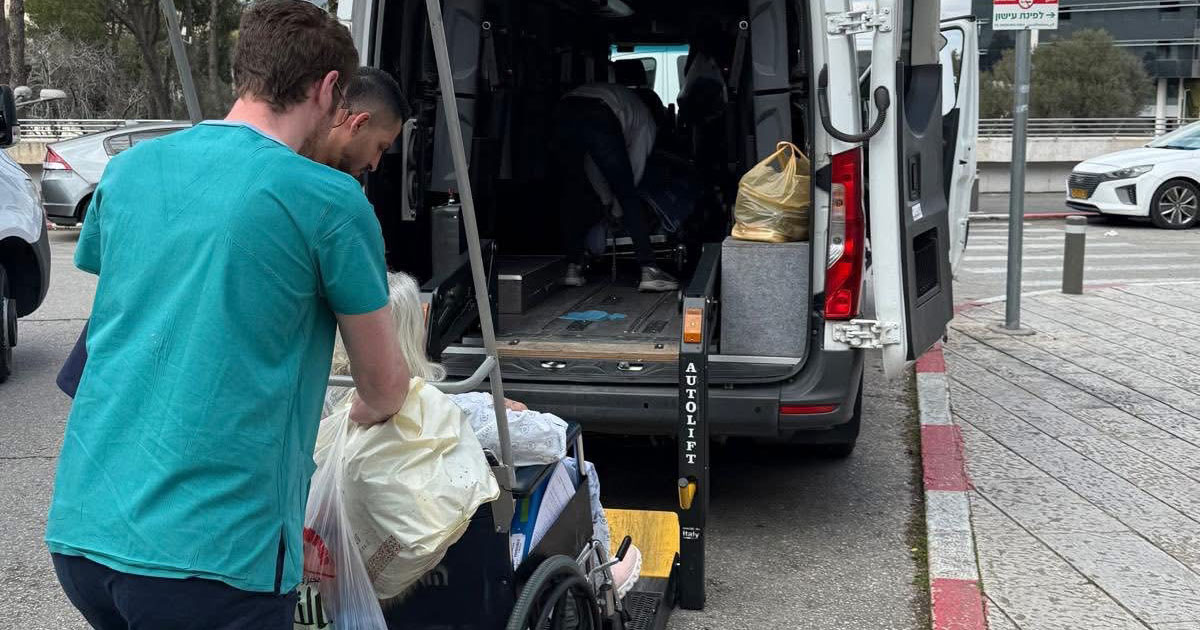
On the Shabbat morning of Saturday, February 28, we woke up to the news that the US and Israel attacked Iran — and Iran, in response, attacked Israel and American military bases in the Middle East. Staff at Hadassah hospitals, who had been preparing for weeks for Iranian attacks, jumped into action, moving patients to fortified underground hospital areas at Hadassah Ein Kerem and Hadassah Hospital Mount Scopus.
The underground hospitals were created to withstand missile strikes and maintain operations, no matter what.
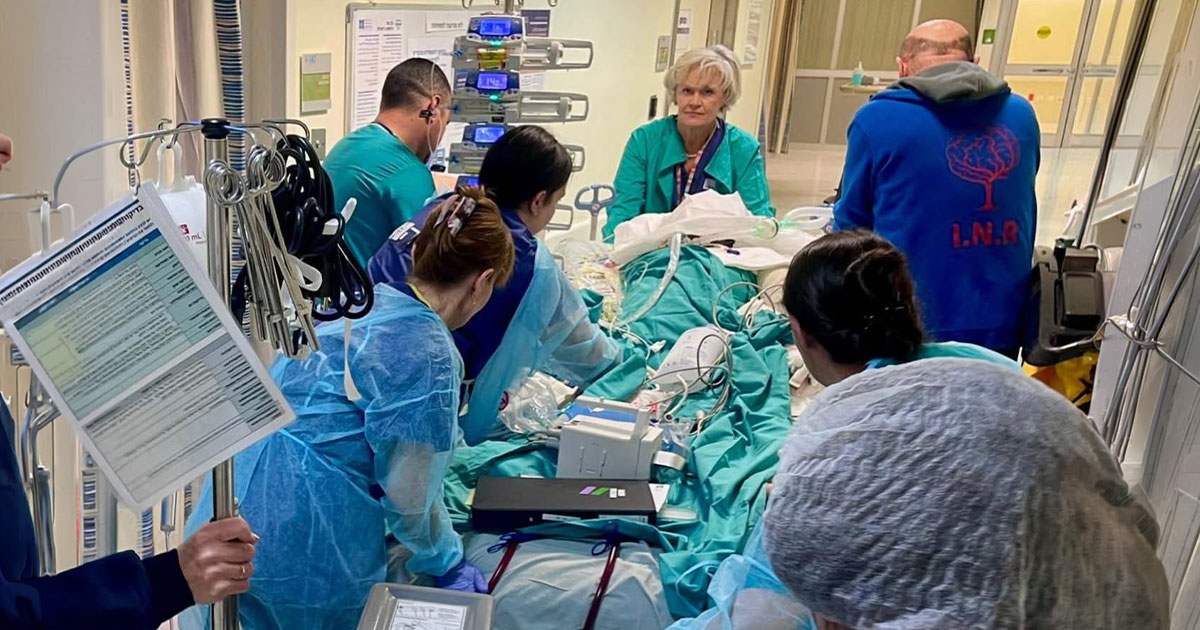
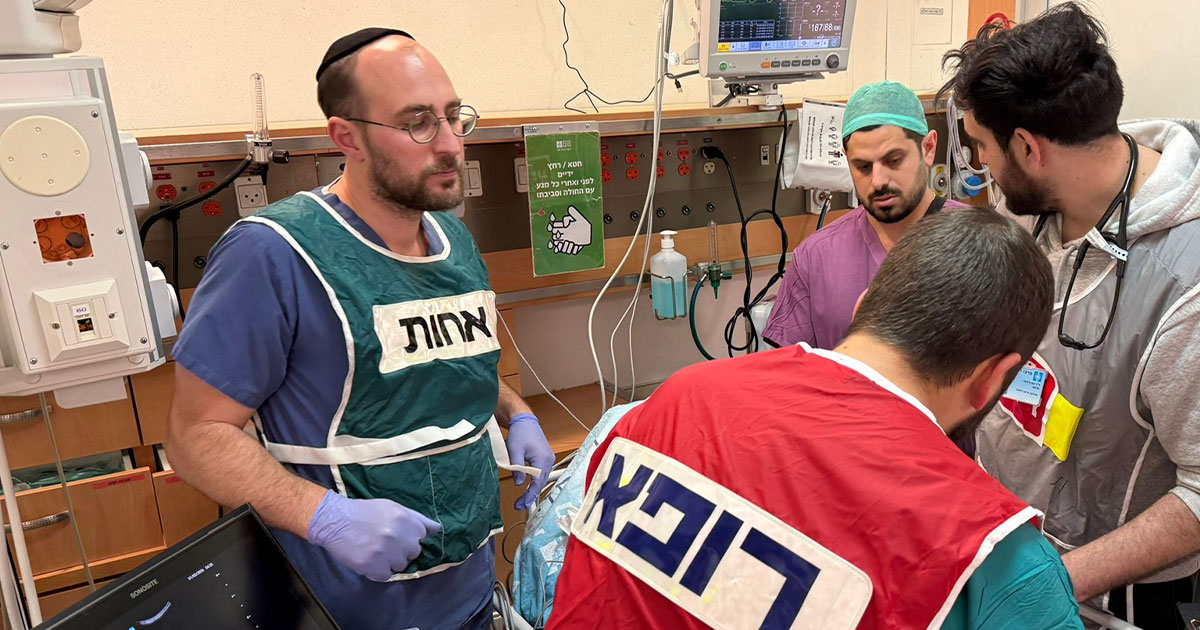
As sirens roared across Israel, one patient at Hadassah Ein Kerem, sedated and connected to an ECMO machine that artificially performs lung and heart function, was transferred to a secure underground facility so she could continue to receive her critical medical treatment, along with heart-lung machine operators, nurses, physicians, technical assistants and security personnel.
“During the transfer, we were even forced to stop for several minutes and enter a protected space with her when a siren sounded,” said Dr. Merav Luria, head of the ECMO Operators Team.
“We are now ready to take care of all the patients that need any assistance,” said Hadassah Medical Organization (HMO) Director General Prof. Yoram Weiss in a video message on Saturday to Hadassah supporters around the world. He held a situational assessment with HMO management and medical teams that morning.
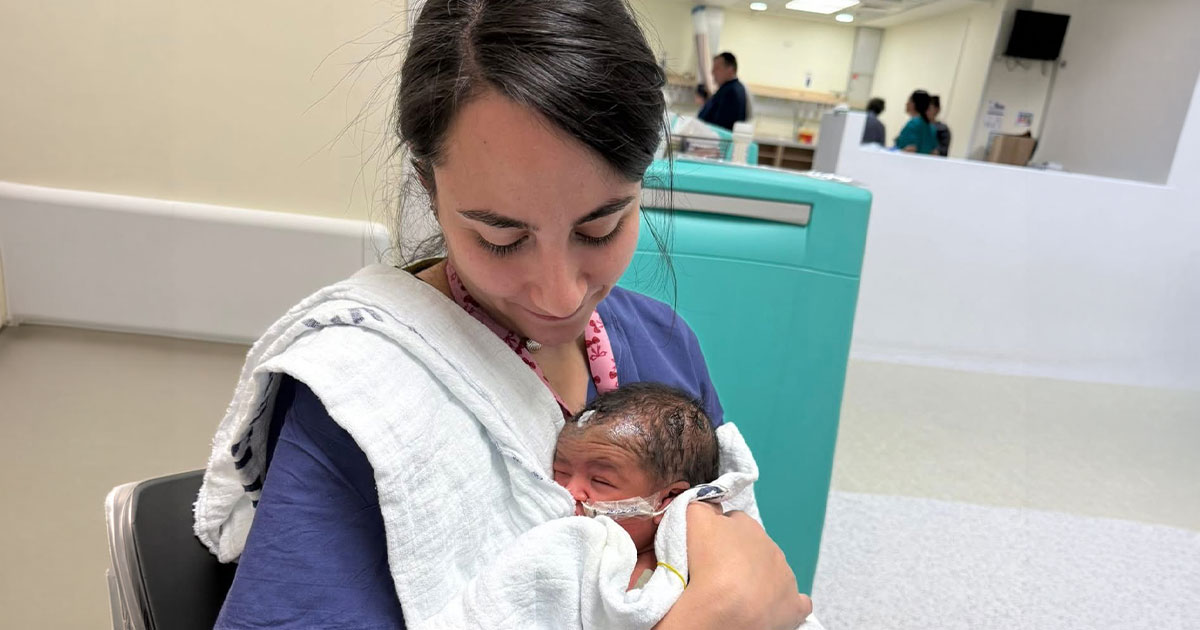
Dr. Moshe Simons, director of the fortified underground hospital at Hadassah Mount Scopus, said, “We are continuing to do the regular good work that we are able to do above ground as well.” The underground hospital has all the same departments, including ICU, dialysis, pediatrics, orthopedics, surgery, rehabilitation (both neurological and orthopedic) and internal medicine, which took in about 30 patients from Hadassah Ein Kerem. Babies are safe, and emergency surgeries continue.
“We strive to give the utmost care to everyone, all citizens of Israel, be they Jewish, Christian, Muslim, Druze or Arab,” he said.
On Sunday, Hadassah hospitals treated about 35 patients injured in a missile attack in the Beit Shemesh area, west of Jerusalem. Nine people were killed, including the husband and mother-in-law of Penina Cohen, who was severely injured in the blast and rushed to Hadassah Ein Kerem, where she underwent surgery.
“Hadassah Mount Scopus and Hadassah Ein Kerem have a lot of experience in treating trauma, especially blast injury, and, indeed, we have proven our expertise today,” said Prof. Weiss.
Ilana, from New Jersey, who is in Israel doing her national service at Hadassah Ein Kerem, said, “The ER is still very open, very very safe. I feel amazing here.”
On Monday morning, Israeli President Isaac Herzog and First Lady Michal Herzog met with wounded patients from Beit Shemesh, including the families coping with loss and patients suffering from severe PTSD, during a tour of Hadassah Ein Kerem’s Lower Levels 3 and 4 of the Sarah Wetsman Davidson Hospital Tower.
President Herzog met with Cohen, a resident of Beit Shemesh. Cohen told the president that she and her family had been in synagogue when the siren sounded. Her son, who was to become a bar mitzvah that day, was also injured.
“It was very impressive to see how you all went underground,” said President Herzog. “You are there in a huge underground facility, which was built in the heart of the mountain 20 years ago, and the place is full of the best staff there is, who are taking care of everyone and of all the injuries and diseases."
President Herzog thanked Hadassah, HMO and Hadassah International for supporting Israel and said that it is a “source of pride to see Jews and Muslims, Christians and people of all faiths coming here both as patients and as staff of the highest level."
He wished Hadassah luck and wished “luck for all the people of Israel. We are in a difficult and complex battle, but it is a historic and important battle for all of the people of Israel, the future of the Middle East and world peace."
Away from the hospital scene, students who remain at Hadassah Neurim Youth Aliyah Village and Meir Shfeyah Youth Aliyah Village are safe, having access to new and upgraded bomb shelters thanks to the generous support of Hadassah donors. Most students were able to go home. On Sunday, 65 students at Meir Shfeyah were going about their day, safely, happily and calmly.
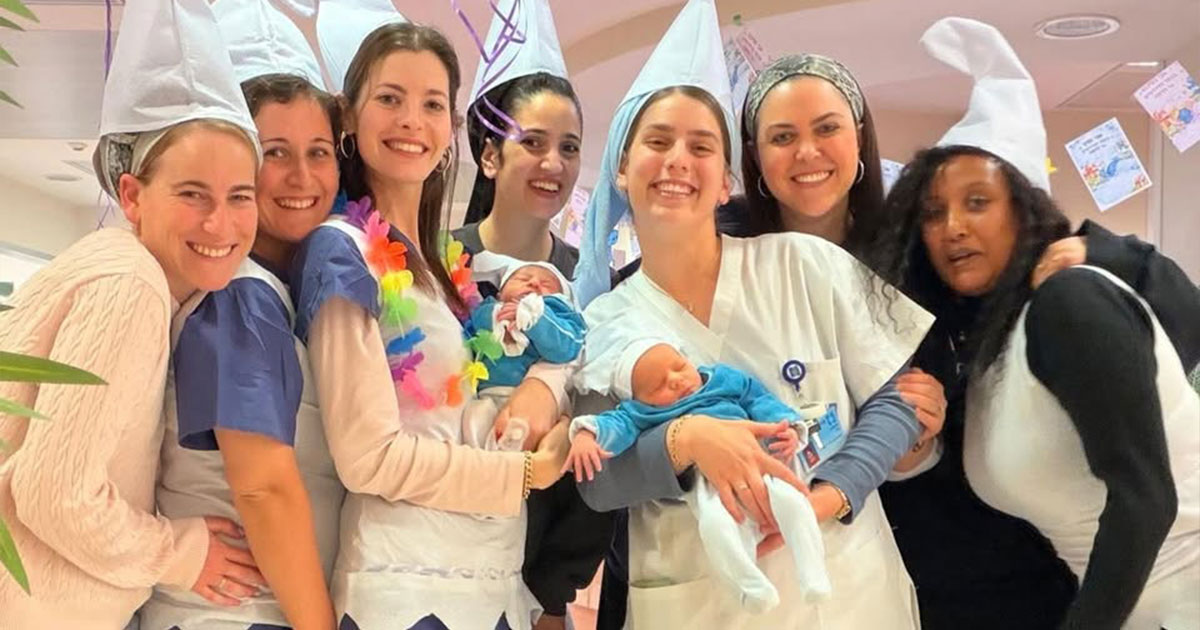
And on Monday night, it was clear that the war wasn’t going to stop new Israeli babies — or Purim — from arriving.
“In times like these, Hadassah remains steadfast in our mission to protect life, care for our patients and uphold the resilience of Israel’s people,” said Hadassah National President Carol Ann Schwartz. “Our thoughts and profound appreciation are with our hospital staff, Youth Aliyah village faculty and colleagues in Israel, and with the American service members and Israel Defense Forces who are fighting for the US and Israel.”