
.svg)



Imagine filling your car with gas: the pump is working perfectly, but the gas tank just won’t fill up. Our hearts work in a similar way. Before they can pump blood to the rest of the body, they first have to fill up. When the heart loses that ability to fill properly, it results in a dangerous, and until now, incurable form of heart failure called HFpEF (pronounced hef-pef). Short for “heart failure with preserved ejection fraction,” this condition currently affects 13 million people, causing shortness of breath, loss of energy, fatigue and swelling.
Now there’s an out-of-the-box solution, developed at the Hadassah Medical Organization (HMO). It’s a treatment for the gut, which ultimately protects the heart.
"It is a devastating disease," said Dr. Rabea Asleh, HMO’s director of the Heart Failure Unit & Cardiovascular Research Center. "Currently, there has been no treatment that improves the prognosis of the disease, and that's a very big unmet need. But with this new treatment, patients could take it at an early stage and prevent the advancement of the disease.”
Most HFpEF patients are obese. Dr. Asleh explained that in these patients, excess fat is linked to systemic inflammation and changes to the heart muscle. Essentially, when a person's metabolism isn't working correctly, it directly determines how severe the heart disease becomes.
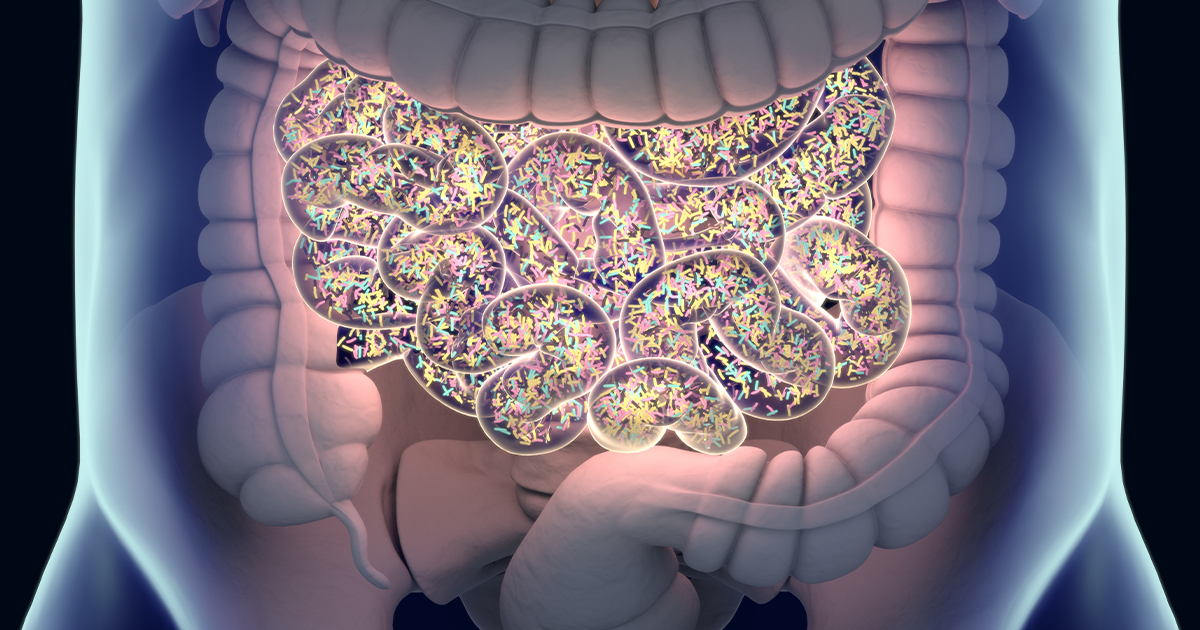
Together with PhD student Yair Rokach, who recently received the young researcher prize from the Israel Cardiology Association, Dr. Asleh’s research team postulated that the microbiota — the mix of bacteria, viruses and fungi in the gut — is different in obese HFpEF patients than in healthy people.
By outlining the structure and function of the microbiomes in three groups — obese HFpEF patients, healthy obese people and healthy individuals — the researchers confirmed their hunch: there was indeed a distinct connection between the development of HFpEF and the gut microbiota. Their findings were so significant they were recently published in major medical journals like PubMed and the Journal of the American College of Cardiology (JACC).
To find a causal connection, the researchers carried out Fecal Microbiotal Transplantation (FMT) from obese HFpEF patients onto mice. Their analysis found the condition in the mice worsened, proving that the proteins and metabolites secreted by the gut were directly involved in the inflammation responsible for HFpEF.
Via Hadasit, the venture building and innovation company of HMO, the team is developing a new way to treat the disease. This invention involves a special mixture of "good" gut bacteria and healthy byproducts (metabolites) that HFpEF patients are missing. It also uses agents to lower the levels of "bad" bacteria that these patients have in excess. By balancing the gut this way, the treatment improves heart function.
This technology is already protected by an international patent application. It is currently in the commercialization pipeline, moving from the research lab toward becoming a treatment available in clinics worldwide. While similar gut-based solutions have been used for other conditions, this is a world-first for patients with HFpEF.
For the 13 million people suffering from HFpEF, this discovery is lifechanging.