Two patients can have the same cancer diagnosis and receive the same treatment yet respond differently. At the Hadassah Medical Organization (HMO), researchers are studying those differences to help doctors make more personalized treatment decisions.
At the Sharett Institute of Oncology at Hadassah Hospital Ein Kerem, a team led by its director, Dr. Aron Popovtzer, is combining artificial intelligence (AI), patient records, medical scans, pathology, genetic information and laboratory research to better understand each patient's cancer.
The long-term vision is a medical "digital twin," a virtual model that changes with the patient and could help doctors monitor cancer progression, predict treatment responses and explore different therapies.
Although digital twins are not yet part of routine cancer care, researchers are laying the groundwork for their future use. The project is being advanced through the Hadassah Center for Integrative Medical Intelligence (HCIMI), with Hadasit and partners including Nvidia and Amazon Web Services.
Bringing Patient Data Together
HMO has developed a database using information from 275,000 cancer patients, with records dating back to the late 1970s. The Hadassah Center for Integrative Medical Intelligence also draws on data from 33 Hadassah systems, including medical imaging, genetic information and pathology. A partnership with the Israeli health fund Meuhedet allows researchers to connect hospital information with long-term community health data from 1.4 million patients.
AI helps researchers find patterns in this information that might otherwise be difficult to identify.
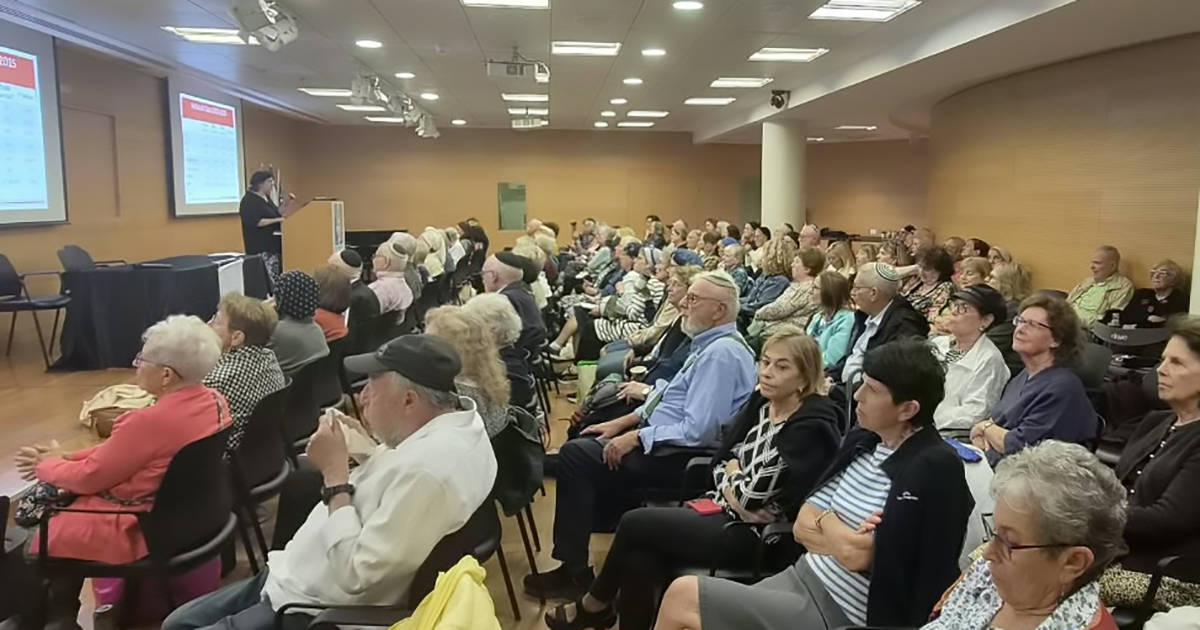
"The goal is not simply to aggregate information, but to construct a coherent computational representation of the individual patient," explained Dr. Ruth Lev Bar-Or, vice head of Data & AI at the center, who discussed the approach in her presentation, Digital Twins in Personalized Medicine. "As new laboratory results, scans, treatments or other clinical events arrive, that representation can be updated so that it reflects the patient's changing state."
Unlike a conventional medical record, which documents a patient's health history, a digital twin could eventually help doctors explore possible outcomes.
Exploring Different Treatment Options
"One of the biggest challenges in cancer care is predicting whether an individual patient will respond to treatment, even when using advanced anti-cancer drugs matched to the patient's genomic profile," said Dr. Shai Rosenberg, a senior neuro-oncologist and head of HMO's Cancer Computational Biology Lab.
"This technology will help us identify patients worldwide who are similar to an individual patient," Dr. Rosenberg explained. "By learning from their real-world data, we can make more informed treatment decisions together with the patient and improve the likelihood of a better clinical outcome."
Dr. Lev Bar-Or sees additional possibilities, including helping doctors anticipate treatment resistance or adjust therapy as a tumor changes.
The technology is intended to support, not replace, medical judgment by giving doctors more information to guide treatment decisions.
Building the Foundation for Personalized Care
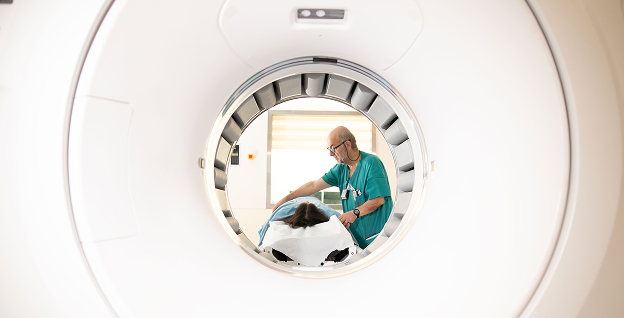
HMO researchers are already developing the building blocks for a future digital twin. For example, teams studying colorectal cancer are combining pathology slides and CT scans to identify signs of chemotherapy resistance before treatment begins. Researchers studying glioblastoma, an aggressive form of brain cancer, are developing personalized models using MRI scans taken over time to study tumor growth and treatment response.
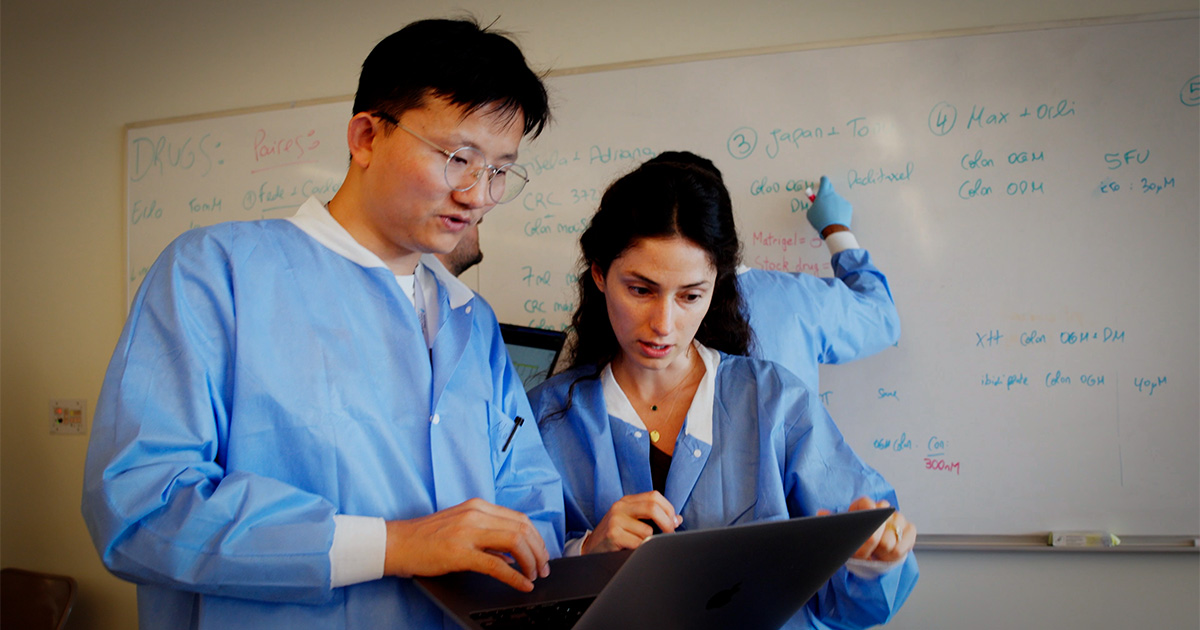
Patient-derived organoids offer another research tool. These miniature models, grown from a patient's own tissue, allow scientists to study how cancer cells behave and may respond to different treatments. Combined with medical data and imaging, they could help researchers better understand each patient's cancer. HMO's Organoid Center, the first of its kind in Israel, is already advancing personalized medicine research.
HMO researchers hope to collaborate with medical institutions worldwide to study more patients, particularly those with less common cancers.
For patients, the promise of digital twins is a future with more personalized care, with treatment decisions informed by a deeper understanding of their individual cancer.