
.svg)


Dr. Esi Sharon-Sagi, director of the oral rehabilitation graduate program at the Hebrew University-Hadassah School of Dental Medicine, helped identify victims of the October 7, 2023, Hamas massacre. Now, new research she co-authored shows how one of the methods used in that effort, comparative medical imaging (CMI), could play a greater role in future disaster victim identification.
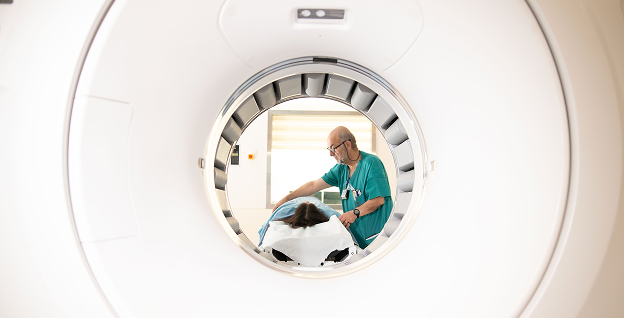
The research, published in Forensic Science International, found that comparative medical imaging helped identify 39 people following October 7, including 26 of 87 deceased hostages returned during the following two years. Researchers compared medical images taken during life, such as CT scans and X-rays, with postmortem images to find distinctive matching characteristics.
Traditionally, international disaster victim identification guidelines have classified medical imaging as a secondary identification method, while fingerprints, DNA and dental records are considered primary methods.
But Sharon-Sagi and her colleagues found that CMI provided highly specific, reliable identifying information, even using medical images taken as many as 17 years earlier. The researchers called CMI a “robust and reliable identification modality” and said the findings support reevaluating its role within international disaster victim identification practices.