
.svg)


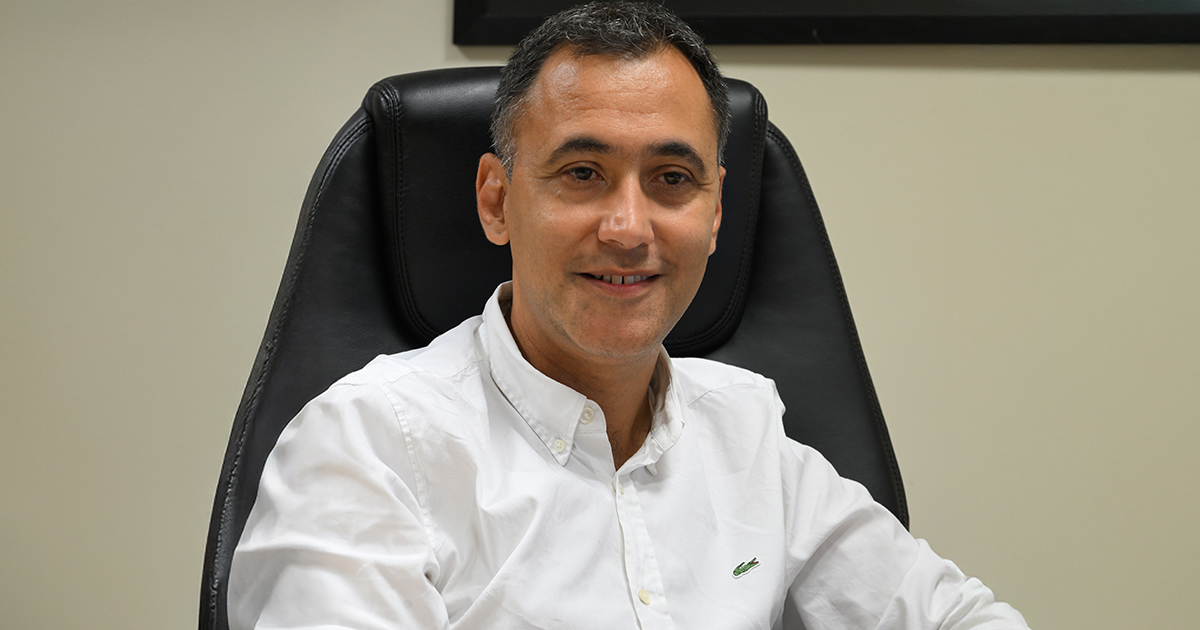
“Anesthesiologists are the guardian angels of patients,” said Dr. Stéphane Ledot, director of anesthesiology at Hadassah Hospital Ein Kerem.
For Dr. Ledot, the connection with patients is part of what drew him to the field.
“You could say, ‘If the connection to the patient is so important to you, why choose anesthesiology, where patients are sedated?’” he said.
But the anesthesiologist’s relationship with a patient begins well before sedation. Before surgery, Dr. Ledot explained, anesthesiologists talk with patients about the procedure, its potential impact and their anesthesia options, helping them understand the process and make informed decisions about their care.
“I give them counsel, and they decide,” he said. “Surgery is a significant life event, and the patient needs comfort and advice. Anesthesia actually encompasses all populations and ages, from infants to the elderly.”
How anesthesiologists communicate with patients also requires an understanding of the individual, he added.
“The way we approach patients differs in accordance with the values of each community,” Dr. Ledot said.
Dr. Ledot studied medicine at Pierre and Marie Curie University in Paris and completed his residency in anesthesia and critical care at Aix-Marseille University in southern France.
For Dr. Ledot, making aliyah was never a question.
“I always saw my life and future in Israel,” he said.
He moved to Israel in 2009 and came directly to the Hadassah Medical Organization (HMO) for a subspecialty in anesthesiology and critical care.
“Coming from the outside, I knew and admired the Hadassah brand,” he said.
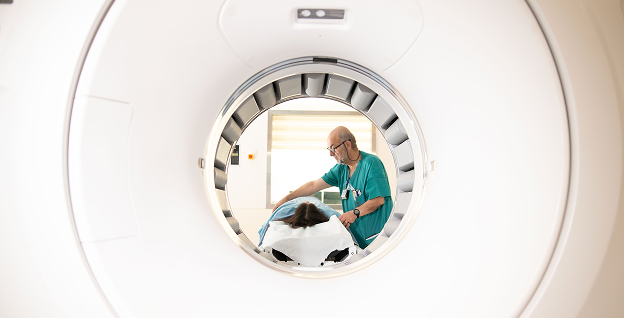
More recently, HMO established Israel’s first Perioperative Unit, which cares for patients before, during and after surgery. Physicians, anesthesiologists, surgeons and nurses work together to assess patients’ needs and develop preoperative and postoperative care plans. Hadassah hospitals also joined the Multicenter Perioperative Outcomes Group (MPOG), a research consortium that collects data from leading hospitals around the world to study anesthesia practices and postoperative outcomes, with the goal of improving quality of care and patient safety.
Dr. Ledot’s day begins at 5:30 am with his commute to the hospital.
“As a manager, I believe I need to understand what my staff is going through,” he said.
His schedule includes administrative work, research, time in the operating rooms, onboarding staff and listening to feedback from his teams.
“It’s a packed schedule but very fulfilling,” he said.
Outside the hospital, Dr. Ledot spends time with his partner and two young children and travels when he can. He also makes time for activities that help him stay centered.
“Yoga and mindfulness exercises are sacred to me,” he said. “This is what allows me to be where I am. The tasks at work are big. If you don’t have a clear list of priorities and vision, you can lose yourself.”
Hear from Dr. Ledot in his own words about his philosophy of patient care and what drew him to anesthesiology in this video.