
.svg)


Hadassah hospitals’ Transplant Unit has been awarded a research grant from the Israel Science Foundation (ISF) to study liver aging and advance transplant medicine. The research will examine how telomere dysfunction, which is associated with cellular aging, contributes to liver and lung disease.
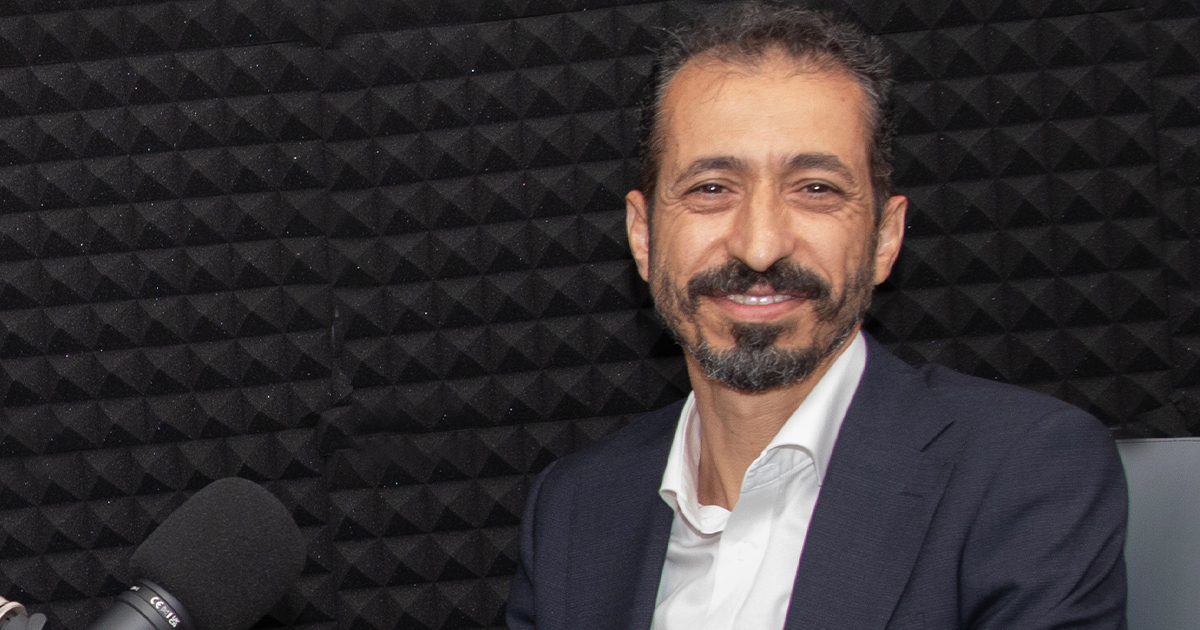
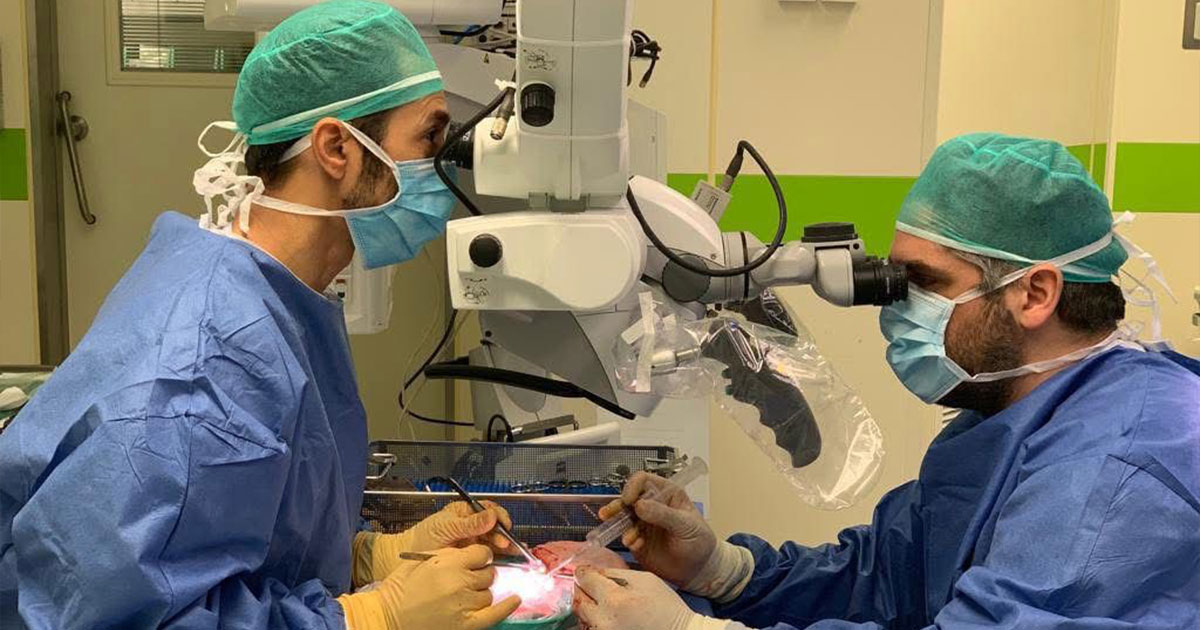
The Transplant Unit at the Hadassah Medical Organization (HMO) is one of Israel’s largest transplant units and performs kidney and liver transplants from both living and deceased donors. Led by Dr. Abed Khalaileh, the Transplant Unit specializes in complex cases and combined surgical procedures and works closely with teams across HMO, including anesthesiology, the Liver Unit, intensive care, nephrology, transplant coordinators and operating room teams.
The research will be led by Dr. Khalaileh and Dr. Ashraf Imam, senior surgeon and director of HMO’s Liver Transplant Service, together with Dr. Dudy Tzfati of the Silberman Institute for Life Sciences at the Hebrew University of Jerusalem.
“The aim of the research is to deepen our understanding of the mechanisms of liver aging and to develop new knowledge that could, in the future, improve the treatment of transplant recipients, expand the possibilities for using organs from older donors and contribute to the advancement of transplant medicine,” Dr. Khalaileh said.
“Thanks to the tools we will receive, we will be able to assess the suitability of livers for transplantation in greater depth,” he added.
“This project seeks to advance our understanding of the role of telomere dysfunction in liver and lung disease, with the ultimate goal of improving patient care through new diagnostic and therapeutic approaches,” Dr. Imam said.
Dr. Khalaileh said, “We thank the Israel Science Foundation for its trust, Dr. Dudy Tzfati and the members of his laboratory for their scientific collaboration and all the clinical and research teams at the Hadassah hospitals, including the Research Fund and the Research and Development Division, whose daily work makes it possible to turn clinical challenges into groundbreaking research and then into solutions and developments that are ultimately implemented in clinical practice.”