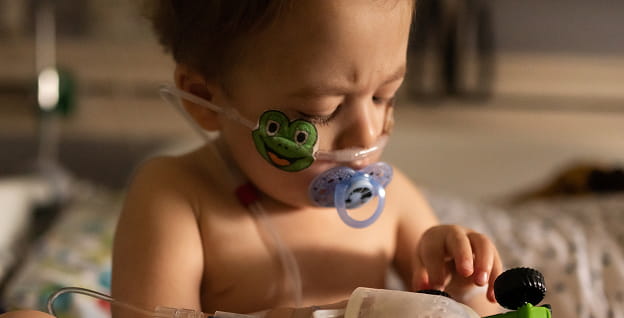
Just three days after his birth, a newborn baby underwent complex, lifesaving surgery at Hadassah Hospital Ein Kerem to repair a rare defect in his esophagus. Rather than opening his chest, surgeons performed the delicate procedure through three tiny incisions.
The baby was born with esophageal atresia, a condition affecting approximately one in 3,000 births in which the esophagus does not connect normally to the stomach.
The first indication that something was wrong came during the final month of pregnancy, when Odelia, the baby's mother, underwent an examination at a hospital in northern Israel. Doctors detected an abnormality they could not identify. She arrived at Hadassah Hospital Ein Kerem after her water broke, and her baby was delivered by emergency cesarean section.
"After he was born, his heart rate slowed and he was ventilated," Odelia said. "The team tried to insert a feeding tube, but an X-ray showed it coiled in the upper esophagus instead of reaching the stomach. They realized he needed surgery."
The diagnosis was serious and required urgent intervention.
"This is a dramatic problem affecting both the windpipe and esophagus," said Dr. Ahmad Alkelani, a pediatric surgeon specializing in neonatal surgery at Hadassah Ein Kerem. "The baby cannot eat or swallow saliva. Air passes from the windpipe into the stomach instead of the lungs, swelling the stomach and putting his life at risk."
Before operating, the medical team needed to determine whether the newborn had additional abnormalities.
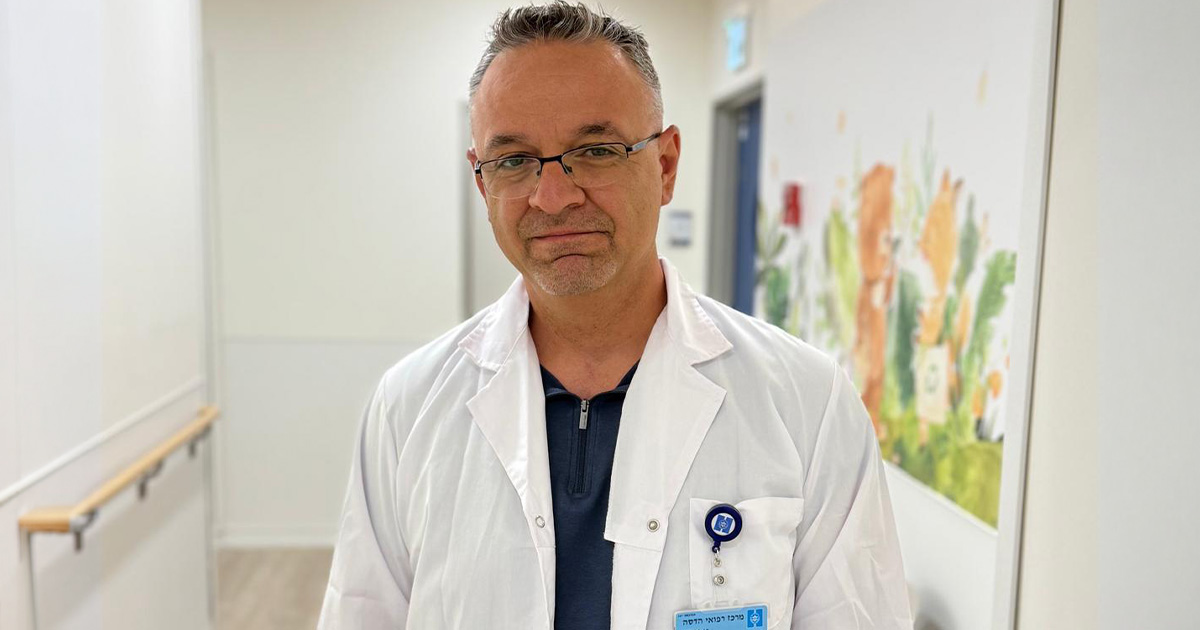
"About 50% of cases like this involve other defects," said Dr. Diaa Zugayar, head of pediatric laparoscopic surgery at Hadassah Hospital Ein Kerem. "Once tests confirmed this was the baby's only defect, we could proceed with surgery."
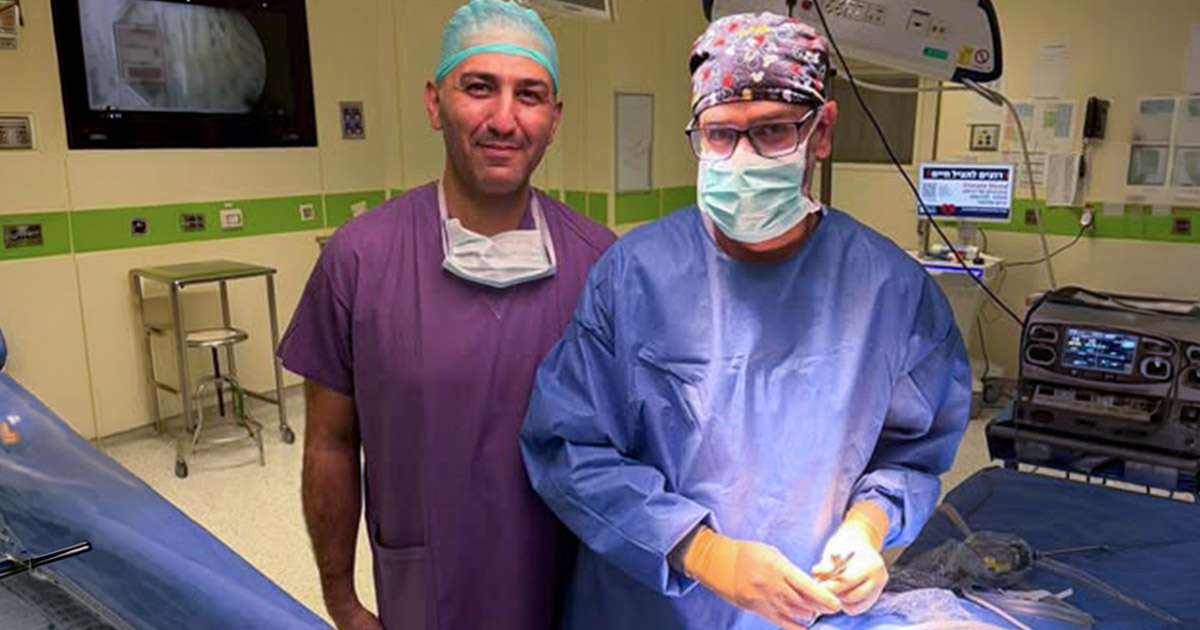
On the baby's third day of life, Dr. Alkelani and Dr. Zugayar performed the complex procedure, supported by anesthesiologist Dr. Miriam Raushenbach and Smadar Sharabie, lead nurse of the pediatric surgical team.
"Across Israel, this operation is generally performed through an open incision in the chest. At Hadassah, we use a minimally invasive approach, through tiny openings only," Dr. Zugayar explains. "Although it is risky and complex, none of the 10 cases we have performed here had significant complications. That is an amazing result."
The surgery was successful. Follow-up imaging confirmed there was no leakage from the repaired esophagus. The baby was gradually taken off ventilation and resumed feeding, and is expected to return home healthy, thanks to Hadassah's expertise in advanced pediatric surgery.