
.svg)


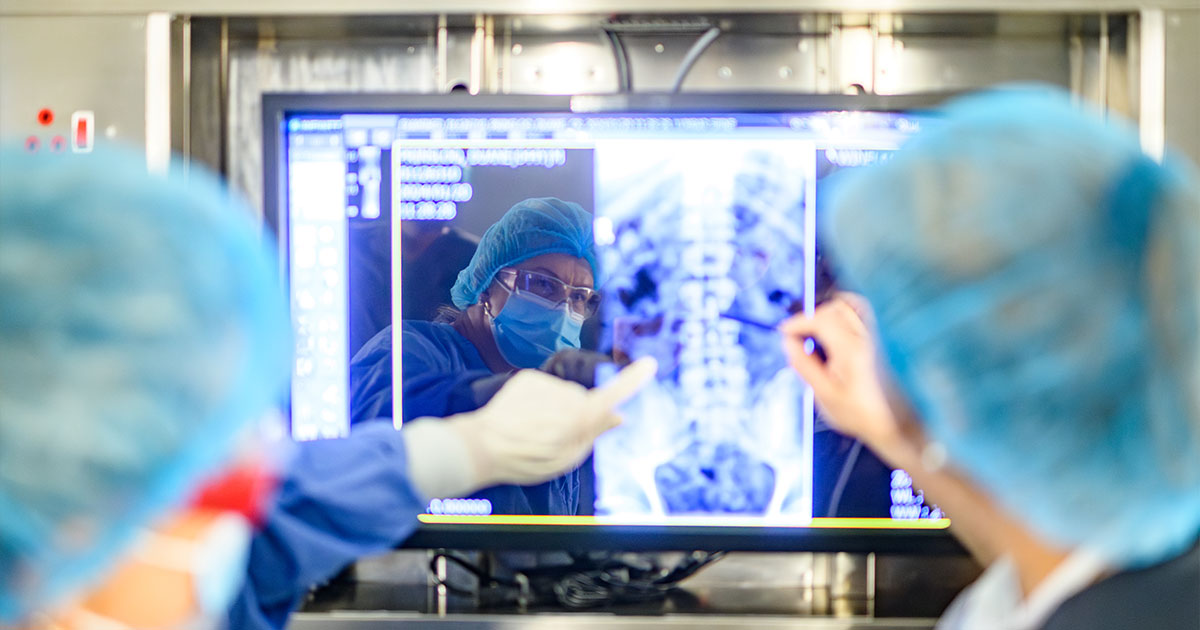
Dr. Rami Mosheiff, head of the Orthopedic Unit at the Hadassah Medical Organization and an expert in orthopedic trauma, recently spoke with Israeli outlet Mako to explain why shrapnel and fragments from intercepted missiles pose far greater danger than most people realize.
“The fragments being discussed in the current war are not just ordinary shrapnel,” Dr. Mosheiff explained. “They are sometimes very large pieces of missiles. It’s as if a car were falling from the sky. When a mass like that drops from a height with tremendous force, the damage can be immense, and surviving such a situation is extremely difficult. If a person is close to the point of impact, the injury can be devastating.”
Large missile fragments can crush bones, tear major blood vessels and cause life-threatening injuries in an instant. But small pieces worry trauma teams just as much — if they strike the wrong place, the result can be fatal.
Dr. Mosheiff noted that Hadassah hospital trauma teams know these injuries well from decades of experience, including the Second Intifada. “We treated many victims of suicide bombings,” he said, “and they often arrived with numerous small fragments embedded in their bodies.”
Dr. Mosheiff’s experience on the front lines of orthopedic trauma is a sobering reminder that even after the missile is intercepted, danger remains. For civilians, that means taking sirens and shelter instructions seriously — and remembering that “fragments” are anything but harmless.
To read Dr. Mosheiff’s full interview (in Hebrew), visit Mako.