
.svg)


In 2000, some 25 million adults and children in sub-Saharan Africa were dying from HIV/AIDS. Over 16 million had already perished from the disease, according to the World Health Organization.
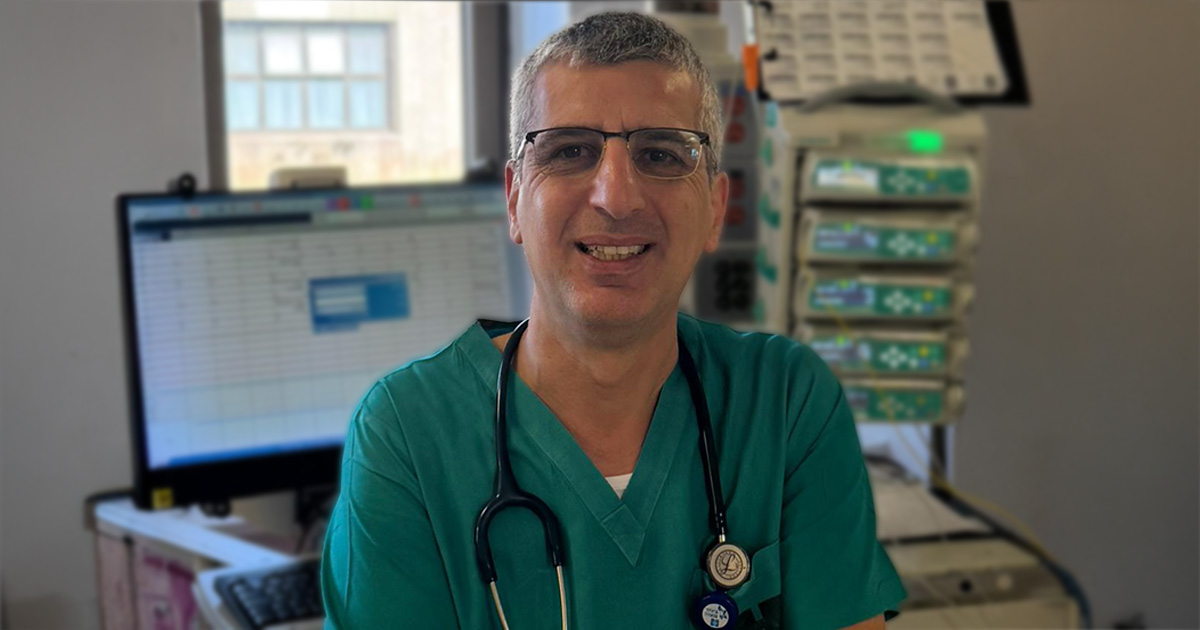
Prof. Dan Engelhard of the Hadassah Medical Organization made it his life mission to fight this catastrophic disease in Israel and Africa. He is credited for having saved tens of thousands of children.
For the first time, Prof. Engelhard has written his life story, To Heal, To Love, To Dance: The Life Story of Prof. Danny Engelhard. This Hebrew-language autobiography focuses on the passion of volunteering and love of humanity that have impelled him to go beyond his challenging career in Jerusalem to the children of Africa.
Prof. Engelhard was born in Jerusalem to parents who were originally from Germany and who owned a leather store named "Hatik" ("the bag") in downtown Jerusalem. As a young doctor in the IDF, he performed the routine jobs of dealing with soldiers’ temperatures and sprained limbs. Then Arab armies surprised Israel on Yom Kippur, 1973, and he found himself treating the wounded on a fraught battlefield.
His unit was on the southern Golan Heights when Syrian troops overran Israeli territory.
"I understood this was serious, although at first it was impossible to imagine the magnitude of the threat," he said.
Israel had 3,000 troops, 170 tanks and 60 artillery pieces in the Golan Heights. The Syrian attack included 28,000 troops, 1,400 tanks and 100 artillery batteries. One hundred Syrian fighter planes attacked Israeli positions on the Golan Heights. The Syrian tanks came forward in waves. Engelhard treated the gravely wounded under fire as his unit held the ground until reserves arrived three days later. The Syrian troops were finally pushed out of the Golan by Israeli tanks and infantry.
“I witnessed such inspiring courage,” said Prof. Engelhard. “Each day we’d set out knowing that not all of us would be there the next day, but we knew we couldn’t afford to lose.”
For his courageous service under fire, Prof. Engelhard was awarded the IDF Medal of Distinguished Service.
In 1979, now working at Hadassah hospitals, he volunteered for an Israeli mission to refugee camps in Cambodia. This was the beginning of what would be a series of missions to alleviate the plight of refugees. He headed the pediatric departments of the IDF's field hospital for refugees in Rwanda and Kosovo and for earthquake victims in Duzce, Turkey. After the 2004 tsunami in which over 220,000 were killed, the Israeli government dispatched him to Sri Lanka.
“In my first mission to Cambodia, I was first exposed to the major consequences of infectious diseases in children, especially in children who suffer from immunosuppression. As a result, I decided to deepen his specialization in the field,” Prof. Engelhard said.
He completed a sub-specialization in pediatric infectious diseases and clinical immunology in Oklahoma Children’s Hospital OU Health, becoming an international expert in infections following bone marrow transplants.
He was recently awarded an honorary membership for the European Society for Blood and Marrow Transplantation (EBMT) "in recognition of his invaluable and exceptional contributions to hematopoietic cell transplantation and cellular therapy as well as his dedicated service to EBMT."
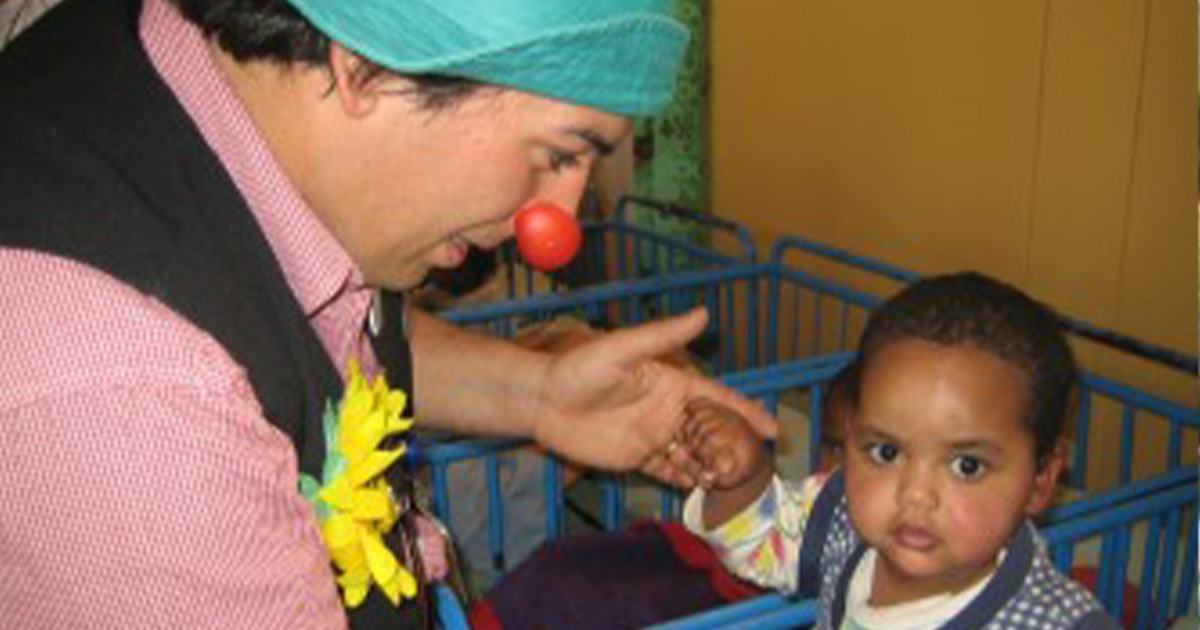
When the infectious disease called HIV/AIDS began spreading throughout the world, Prof. Engelhard established the Pediatric AIDS Center at Hadassah Hospital Ein Kerem to treat Israeli-born and immigrant children. He and his team developed a unique and successful multidisciplinary approach, including not only infectious disease experts, but also social workers, psychologists, a clinical pharmacist and medical clowns to treat the child patients. Children with AIDS suffered from social stigmas. They had to take many medications every day and needed encouragement. They needed help with schoolwork. The Pediatric AIDS Center at Hadassah addressed all these needs.
Many of the patients, some newborns who contracted the disease during delivery, were immigrants from Ethiopia, where AIDS was endemic. The African continent was hit hard by the epidemic.
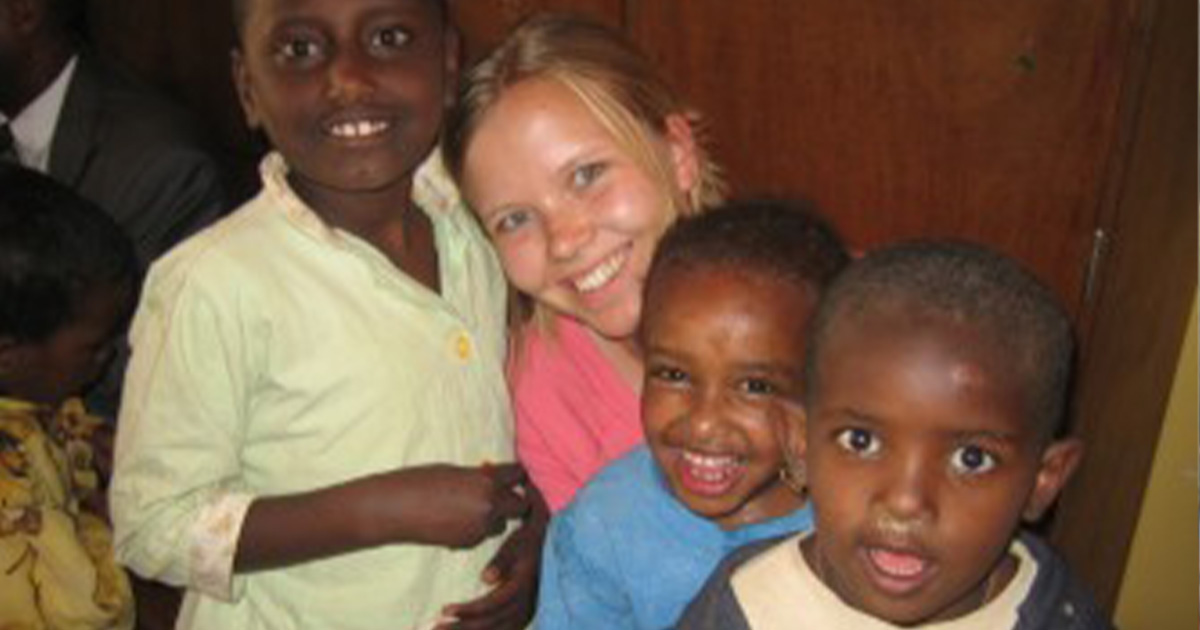
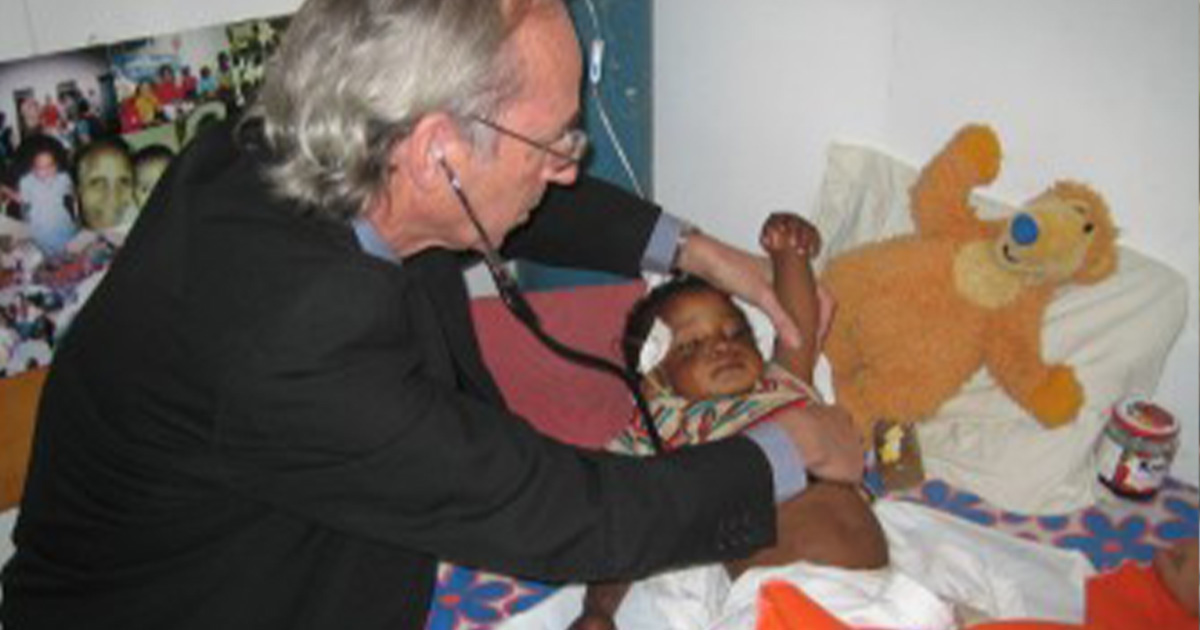
In 2005, Prof. Engelhard was invited to visit Mother Teresa Orphanage in a suburb of Addis Ababa. All 450 orphans there were infected with HIV/AIDS. Nearly all would die.
"On the mostly empty walls, drawings of children with angel wings were hung here and there," Prof. Engelhard wrote in his autobiography. "We asked why the paintings of the children had wings. We were given a sad explanation: To comfort and encourage the sick children, they were told that their dead friends had become angels."
"Witnessing the suffering of babies or children in their final moments was a very difficult situation for us, the Israeli team," he said.
Because of his success in treating Ethiopian children with HIV/AIDS at Hadassah hospitals, he knew the children didn’t have to die.
He convinced the nuns and local physicians at the orphanage to follow his procedures and imported volunteer students from Israel to help. Medications were donated by the United States.
"After two very intense weeks, it became clear to me that in order to succeed in my mission for the long term, I had to organize a rotation of doctors and nurses, as well as additional volunteers. I dreamed of changing the approach at the orphanage, an approach that would become multidisciplinary and not just provide medication, similar to the AIDS center I had established at Hadassah."
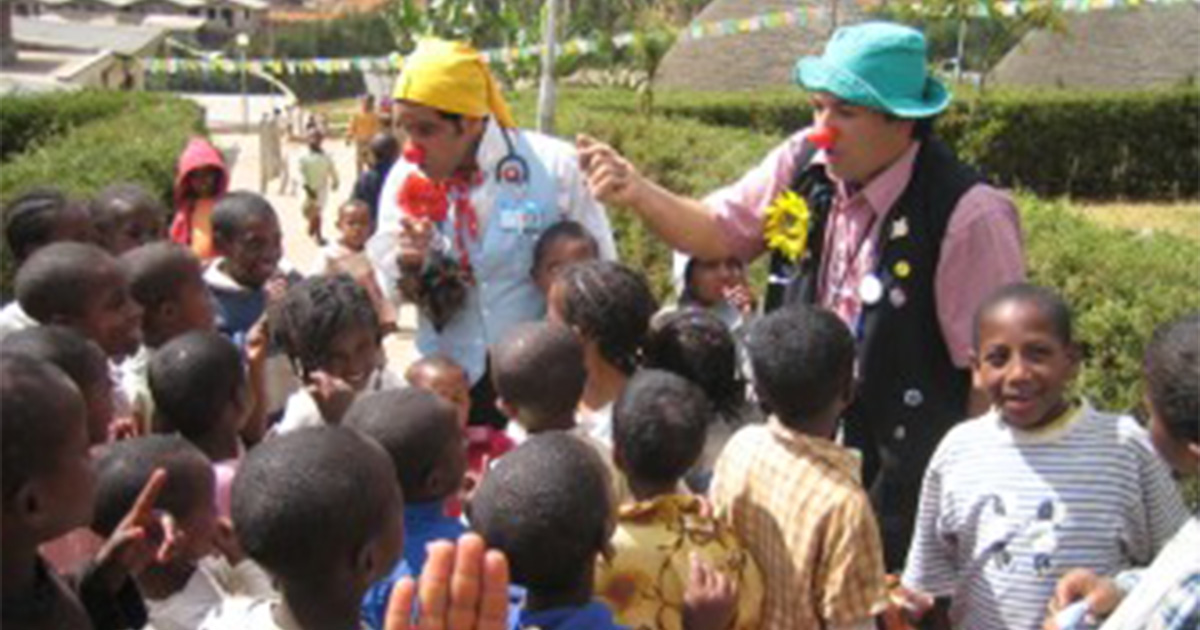
The death rate fell immediately from 25 percent of the children in a single year to one percent. His program expanded to other orphanages and was formalized to ART, a play on words on the antiretroviral treatment for the disease. Through his ART-Joy-Love project, the US government sent the medicine with which to care for the children. Prof. Engelhard offered the expertise along with the volunteer nurses, doctors and medical clowns who supported the children with love and empathy.
When Prof. Engelhard began the program, the Ethiopian government didn't have the resources to treat children with HIV/AIDS and decided it was hopeless. Prof. Engelhard established a train-the-trainers program in which teams of Ethiopian medical professionals came to Hadassah to learn how to treat the children. As a result, the government policy changed, and Ethiopian children with HIV/AIDS had a future.
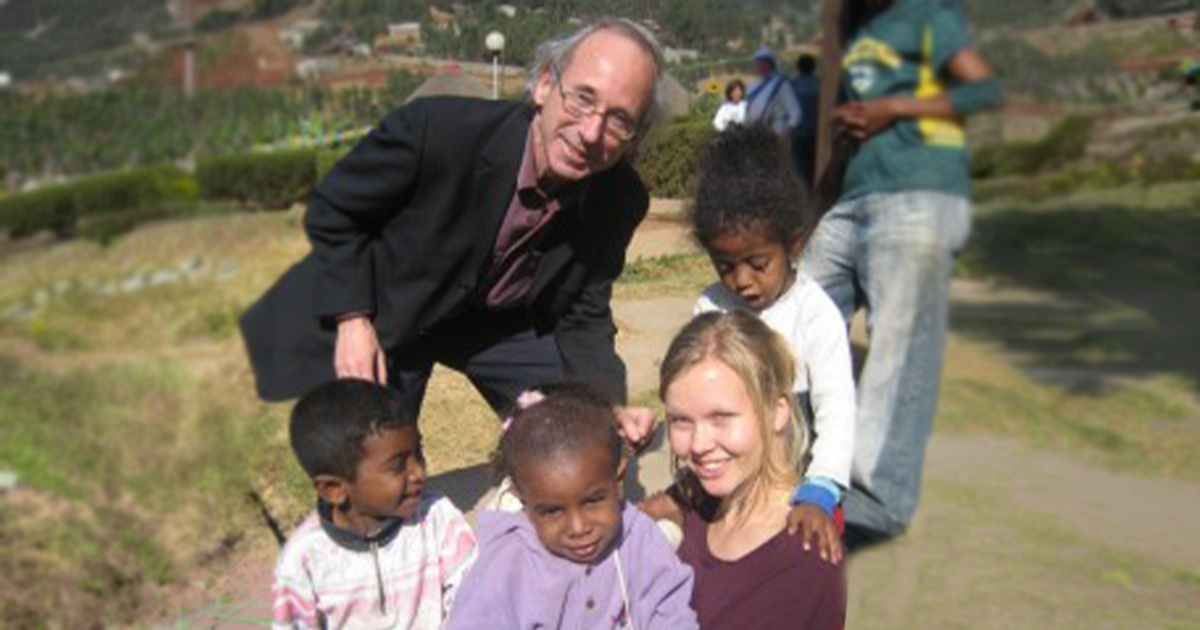
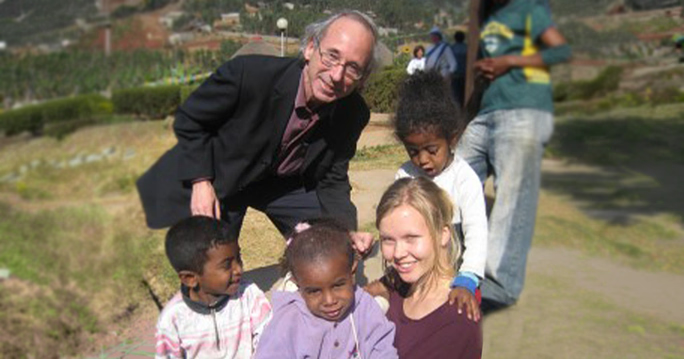
The project expanded to other orphanages in Ethiopia and beyond, including Uganda and Kenya, saving countless lives while providing happiness to the children via music and art workshops.
Dr. Saar Hashavya, now the deputy director of Hadassah Ein Kerem and head of its Pediatric Emergency Medicine Department, was finishing his medical internship when he joined the volunteer project.
“That’s how I became a pediatrician,” he said. “Today, I still volunteer in Third World countries, following in Prof. Engelhard’s footsteps."
Beyond his medical career, Prof. Engelhard has a deep passion for Argentine tango, finding in dancing "a sort of meditation." He has even traveled several times to Buenos Aires to learn from top experts. He’s married to social worker Shula Engelhard. Together, they have four children and ten grandchildren.